
For a child with cancer or a serious blood disorder, summer often means hospital corridors, not campfires. In 1988 Paul Newman opened a camp in the Connecticut woods where those children could swim, play, make friends and simply be kids, at no cost to their families.
A camp in the woods
On 18 June 1988 the first campers arrived at The Hole in the Wall Gang Camp in Ashford, Connecticut. Waiting for them was a kid-sized Old West town, inspired by Newman's 1969 film Butch Cassidy and the Sundance Kid, whose outlaw gang gave the camp its name. The site covers about 300 acres and includes a 44-acre lake.
In many ways it was an ordinary summer camp. The difference was hidden in plain sight. Traditional camp activities were adapted for children with physical and medical limitations, and the camp had what it calls a significant but unobtrusive medical presence, led by its founding medical director, the paediatrician Dr Howard A. Pearson. Children who spent much of the year as patients could spend a week as campers instead. Newman's hope, in the words often used to describe his dream, was that they could kick back and "raise a little hell."
The camp was built for children living with serious conditions such as cancer and sickle cell disease. Two weeks before the first campers arrived, on 4 June 1988, the camp dedicated Pearson Pond. Families paid nothing, and that has never changed.
The actor who gave his profits away
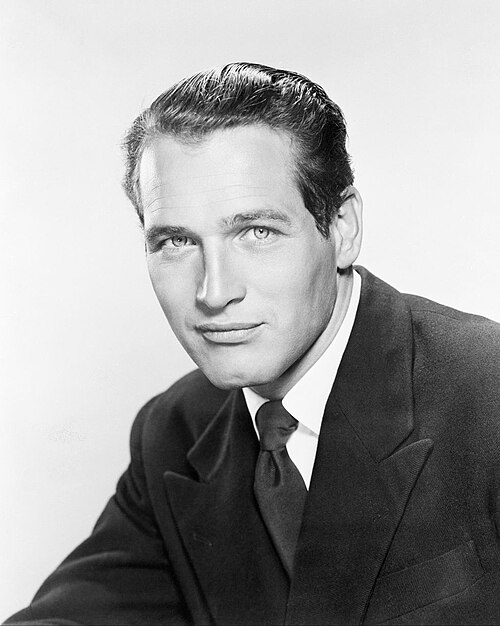
Paul Newman was one of the most admired actors of his generation, but he also had a lifelong habit of turning good fortune into good works. His father was the son of Jewish immigrants from Hungary and Poland. Newman spoke of feeling a sense of otherness as a half-Jewish boy, and as an adult he chose to call himself a Jew, explaining that it was the greater challenge.
In 1982 he and his friend, the writer A. E. Hotchner, started Newman's Own, a food company that gave all of its profits after tax to charity. Newman's Own says it has given away more than $600 million to good causes since 1982. Newman announced his plan to build the camp on 17 September 1986, and the company's profits helped fund it. In a 2005 interview he made clear which of his legacies mattered most to him: he hoped the camps would outlast his films.
From one camp to a worldwide family
The idea spread quickly. In 1994 Barretstown in Ireland became the first camp in the network outside the United States, made possible by a 500-acre estate donated by the Irish government. More camps followed across the United States and Europe.
The movement also reached Israel. Jordan River Village, in the Lower Galilee and modelled on the Connecticut camp, opened in August 2011 with the Israeli actor Chaim Topol as chairman of its board. Its stated goal is to enrich the lives of Jewish and Arab children living with serious illnesses, and its camps are free.
In 2008, after Newman had travelled to Africa, the network launched a global partner programme to bring culturally fitting camp programmes to seriously ill children in places with fewer resources. Newman died at his home in Westport, Connecticut, on 26 September 2008, aged 83. In 2012 the network he founded took a new name: SeriousFun Children's Network, a name that captures both his playful humour and his serious purpose.
“I hope that the camps last longer than the legacy of my films.”Paul Newman, founder of The Hole in the Wall Gang Camp, AARP The Magazine, 2005
Who it helps today
SeriousFun now counts 30 camps and programmes worldwide. It reports more than 2.3 million camp experiences delivered, for children from more than 50 countries, covering more than 150 medical conditions. Every one of them is free of charge to families.
The numbers grew steadily from the start. By December 2000 the Connecticut camp alone had welcomed more than 10,000 children to its overnight programmes. Supporters have found their own ways to help keep it free. Since 2005 a fundraising team called Team Hole in the Wall has offered places in marathons and cycling events, including the New York City and Boston marathons, to runners and riders who raise money for the camp. In Israel, Chaim Topol described Jordan River Village as the philanthropic project to which he felt most connected.
The original camp in Connecticut is still at the heart of it. It serves about 20,000 children and family members a year, running week-long summer sessions for children aged seven to fifteen and a session for their healthy brothers and sisters. Its hospital outreach programme takes the spirit of camp into hospitals, and as of June 2024 it reached 33 medical centres in New England, New York City and Philadelphia. The camp is supported by more than 25,000 annual donors, with Newman's Own still among them.
Why fun matters
Serious illness can take away much more than health. It can take away friendships, confidence and the ordinary freedoms of childhood. A week at camp gives some of that back. A child who has spent months being treated can swim, play, join in and make friends with other children who understand without needing to be told. Parents get a rare few days of knowing their child is safe, cared for and laughing.
Newman often said he had been lucky in life, and he chose to share that luck with children who had been dealt a harder hand. The camps carry his name less than his spirit: generous, a little mischievous and determined that no child should be defined by illness. Each summer, new campers arrive at camps around the world, and the campfires he lit in Connecticut in 1988 keep spreading.
People in this story
Sources & further reading
- SeriousFun Children's Network, SeriousFun Children's Network
- Our history, SeriousFun Children's Network
- Founder and history, The Hole in the Wall Gang Camp
- The Hole in the Wall Gang Camp, Wikipedia
- Paul Newman, Wikipedia
- About us, Newman's Own
- Paul Newman's Luck, AARP
- Jordan River Village, Wikipedia
Researched from the sources above and checked against them. Spotted an error? Tell us.
Tikkun olam in action. This is part of tikkun olam, the Jewish idea of repairing the world, and every one of us can add to it.


